

Collection review
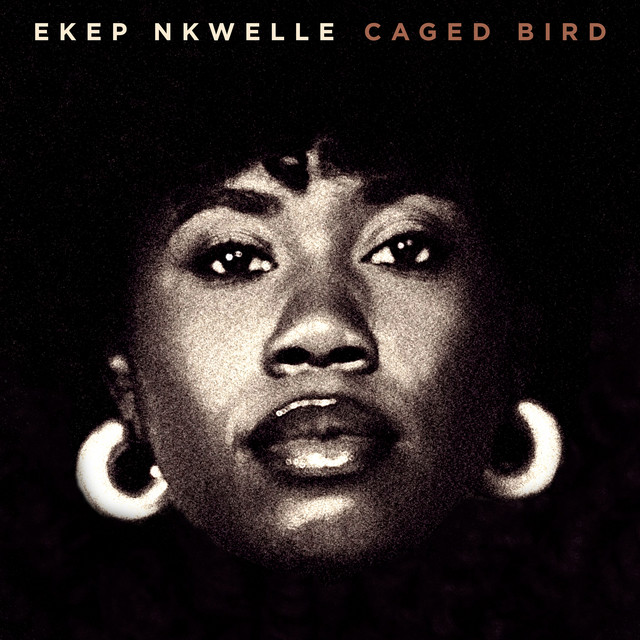
Ekep Nkwelle Caged Bird
- Released
- 2026
- Label
- Mack Avenue Records
Ekep Nkwelle | Caged Bird [Mack Avenue Records]
Vocal Jazz / Gospel / Blues | 2026
Ekep Nkwelle arrives at her recording debut with an unusually developed sense of musical identity. Released on September 25, 2026, "Caged Bird" brings together nine performances informed by gospel singing, the blues tradition and the expressive possibilities of contemporary jazz. The Washington, D.C.-raised vocalist has already worked alongside Wynton Marsalis, Dee Dee Bridgewater and Kenny Barron, and that experience is evident in her command of phrasing and ensemble interaction. Inspired by Maya Angelou's "I Know Why the Caged Bird Sings", the album examines suffering, faith, personal freedom and the difficult work of overcoming adversity. Its greatest strength is Nkwelle's ability to communicate emotional complexity through carefully controlled vocal dynamics. She possesses considerable power, yet her most affecting performances frequently depend on restraint.
The opening "His Eye Is on the Sparrow" establishes the album's spiritual foundation through an intimate arrangement for voice and piano. Luther S. Allison accompanies Nkwelle with sensitive gospel harmonies, allowing her to shape the familiar melody through subtle changes in timing and vocal intensity. Her lower register carries warmth and authority, while the gradual expansion of her upper range develops naturally from the song's devotional character. Abbey Lincoln's "Caged Bird" follows with a distinctly different emotional emphasis. Brian Richburg Jr.'s understated drumming introduces a measured rhythmic pulse before Allison's piano and Russell Hall's bass deepen the arrangement. Nkwelle initially holds back her considerable vocal strength, concentrating on the words and their implications. When the performance eventually intensifies, the accumulated tension gives her delivery considerable force. The connection between these opening pieces establishes the album's central concerns with freedom, oppression and perseverance.
Throughout the record, Nkwelle demonstrates an impressive understanding of how different arrangements demand different approaches to singing. "Night Song", originally written by Lee Adams and Charles Strouse for the musical "Golden Boy", benefits from her measured articulation and sophisticated handling of the melody. Julius Rodriguez takes over the piano duties, contributing harmonic movement that supports the song's melancholy character. Nkwelle gives individual phrases room to develop, introducing delicate inflections without disrupting the melodic structure. "Amazon Farewell", drawn from the repertoire of Brazilian composer Djavan, introduces a stronger rhythmic emphasis. Rodriguez's animated piano playing and Richburg's Brazilian-influenced percussion create considerable momentum. The performance is technically impressive, although the busy accompaniment occasionally competes with the song's darker emotional content. Nkwelle's vocal intensity remains compelling, but the arrangement would benefit from greater dynamic variation.
"Good Morning, Heartache" provides one of the album's finest demonstrations of interpretive maturity. Closely associated with Billie Holiday, the standard demands sensitivity to the emotional exhaustion expressed in its lyrics. Nkwelle approaches the material with deliberate pacing, allowing the melody to unfold over Rodriguez's expressive piano accompaniment. Her delivery carries an intimate understanding of disappointment and the persistence of grief. Carefully sustained notes reveal her impressive breath control, while understated changes in tone communicate resignation and vulnerability. The song's emotional effectiveness comes from the relationship between the vocal line and the accompaniment. Rodriguez responds attentively to her phrasing, creating a performance that retains its intimacy even during its most expansive passages.
The transition into "Early One Mornin'" introduces a welcome change in energy. Written by Hank Ballard, the song addresses the end of an unsatisfying relationship through an exuberant declaration of independence. Nkwelle delivers the lyrics with humor, conviction and an infectious sense of rhythmic freedom. Richburg's lively percussion and tambourine strengthen the groove, while Rodriguez's agile piano accompaniment contributes playful accents and animated exchanges with the vocalist. Nkwelle's command of swing is particularly evident in the placement of individual syllables. She stretches certain phrases, sharply accents others and allows brief pauses to strengthen the rhythmic momentum. Gospel influences become increasingly prominent as the performance develops, culminating in enthusiastic vocal exclamations and a spirited concluding passage. The song demonstrates her ability to communicate joy and determination without sacrificing musical precision.
The album reaches its most ambitious moment with "The Sad Ones", an extended composition lasting approximately eight and a half minutes. Based on music by Washington saxophonist Roger Wendell "Buck" Hill, the piece incorporates original lyrics written by Nkwelle. Her use of vocalese requires considerable rhythmic accuracy, particularly during passages that translate instrumental melodic movement into sung language. The lyrics confront deeply personal suffering and the judgment directed toward women facing difficult reproductive decisions. Nkwelle approaches the subject with emotional seriousness, allowing the narrative to develop through changes in vocal intensity and carefully articulated melodic passages. The extended arrangement provides opportunities for instrumental interaction and gradual development. This is also the recording's strongest demonstration of her abilities as a writer. Her contribution gives the music a distinctive personal perspective, raising expectations for future compositions that draw further upon her own experiences and observations.
"The Creator Has a Master Plan", originally associated with Pharoah Sanders and Leon Thomas, introduces the spiritual jazz tradition into the album's final section. Nkwelle and her musicians transform the composition into a measured performance with strong gospel and soul influences. Rodriguez contributes thoughtful piano passages, while Hall and Richburg maintain a restrained rhythmic foundation. The interpretation emphasizes melodic expression and devotional feeling. Its accessible arrangement is effective, although the reduced rhythmic intensity limits some of the exploratory possibilities inherent in the composition. Nkwelle's singing remains persuasive, especially when her phrasing develops beyond the central melody. The performance demonstrates her ability to reinterpret demanding material while maintaining a consistent vocal identity.
The closing "See See Rider" returns the album to direct blues expression. Associated with Ma Rainey and subsequently interpreted by generations of musicians, the song receives an energetic performance driven by Rodriguez's animated piano work and Hall's responsive bass playing. Nkwelle embraces its rhythmic character with confident articulation and a welcome degree of vocal spontaneity. Her phrasing combines traditional blues inflections with the precision developed through her jazz training. The arrangement allows the musicians to engage actively with one another, and the resulting performance concludes the album with conviction and rhythmic vitality.
One of the most impressive aspects of "Caged Bird" is the consistency of Nkwelle's musical communication. Her impressive vocal range is supported by an unusually mature understanding of dynamics, timing and lyrical interpretation. Allison and Rodriguez provide contrasting approaches to piano accompaniment, while Hall and Richburg contribute rhythmic flexibility without overwhelming the vocal performances. The recording preserves the clarity of the individual instruments and the natural texture of Nkwelle's voice. There is an evident understanding of ensemble balance throughout the album, particularly during quieter passages where subtle changes in accompaniment become essential to the emotional character of a song.
The principal limitation concerns the repertoire. Although Nkwelle brings considerable personality to established material, the album relies heavily on compositions already associated with influential performers. Her original lyrical contribution to "The Sad Ones" reveals an additional creative dimension that deserves greater prominence. Certain arrangements also remain exceptionally controlled, occasionally limiting the spontaneity that gives her most energetic performances their appeal. These reservations are significant because Nkwelle already demonstrates the interpretive authority and technical ability necessary to pursue considerably greater artistic independence.
"Caged Bird" is an accomplished debut from a vocalist whose musical understanding extends well beyond technical display. Its most memorable passages reveal a singer deeply engaged with the emotional meaning of the repertoire, capable of adjusting her approach to the demands of individual compositions. Gospel, blues and jazz traditions remain clearly audible throughout, united by her distinctive phrasing and expressive range. The strongest performances combine disciplined musicianship with genuine emotional urgency. The album establishes Nkwelle as an important emerging presence in contemporary vocal jazz while leaving considerable room for further development as a composer and lyricist. Her interpretation of "The Sad Ones" provides particularly convincing evidence of the creative possibilities ahead.
Rating: [4/5]
https://mackavenue.com/collections/all/products/ekep-nkwelle-caged-bird